Lavender Nails for March 2025: The Cool Pastel Between Winter and Spring
A style-led March trend piece on lavender and dreamy purple shades, including chrome lavender, floral accents, and sheer purple gloss as the cool bridge between winter and spring.
Lavender Nails for March 2025: The Cool Pastel Between Winter and Spring is not just another archive headline from March 2025. It points to a very specific shift in the Greek manicure market: A style-led March trend piece on lavender and dreamy purple shades, including chrome lavender, floral accents, and sheer purple gloss as the cool bridge between winter and spring. March behaved like a transition month with much cleaner light, fresher colour decisions, and a visible move away from winter heaviness toward glossy, image-aware spring manicure.
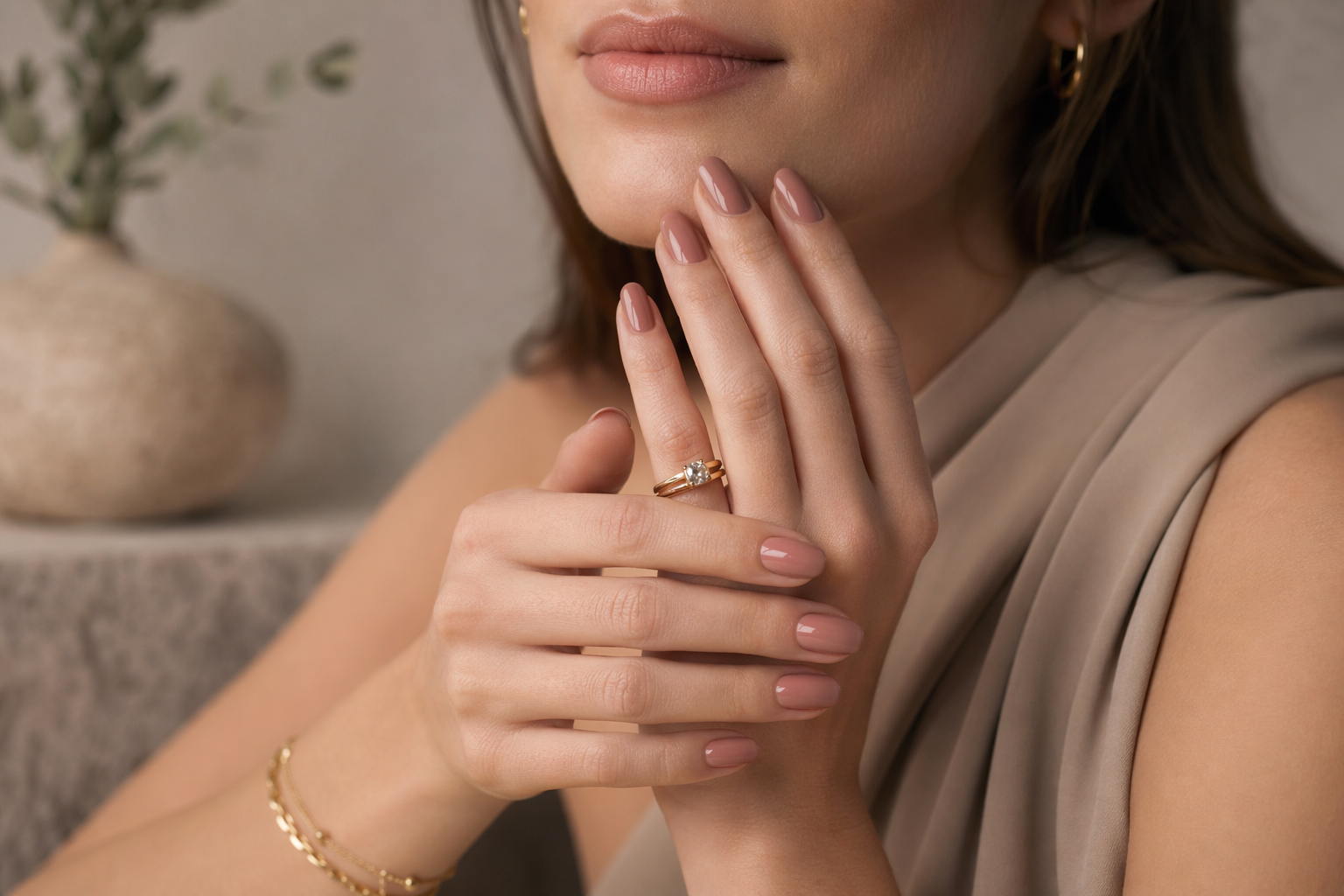
Lead image for 'Lavender Nails for March 2025: The Cool Pastel Between Winter and Spring': luxury manicure editorial shot, polished hands, premium beauty magazine mood, clean framing, no text on image.
What makes the piece more useful is the lens behind it. Stefanos belongs to the PR-facing, nightlife-adjacent Athens scene and writes with deliberate attitude. He is English-heavy, visually loud, and openly queer in the way he reads taste, performance, and cultural codes. He hates old-school beauty writing that mistakes caution for class. That means this story is never only about trend description. It is about vibe, scene currency, editorial codes, and what is giving versus what is tired, and about whether the look, service, or idea in question still makes sense once it leaves the screen and enters real appointments, real budgets, and real social spaces.
In category terms this sits inside trends, but the bigger point is social. The month was shaped by Athens fashion, queer nightlife, brand events, and image-led social performance, and the strongest salons were the ones reading that mood correctly instead of copying surface details. The weaker operators kept leaning on whatever was loudest, while the better ones understood what clients were actually rewarding: clarity, confidence, and a point of view that did not feel borrowed.
Mid-article detail shot connected to trends, with clean light, strong finish quality, and a modern editorial feel.
That is why Stefanos keeps returning to the same test. Does this hold up under scrutiny, or is it just being sold well? Old-school beauty clichés pretending to be timeless becomes a useful dividing line here, because it exposes the difference between manicure that only looks interesting for a moment and manicure that still feels convincing when the client is paying, returning, recommending, or quietly comparing one salon to another.
The practical takeaway is simple enough. When a market matures, people stop responding only to novelty and start responding to judgement. That is where this piece lands: on the idea that better beauty work is rarely random. It is usually the result of stronger taste, cleaner standards, and a better read on what the client, the image, and the moment can actually carry.
Closing atmospheric image tied to March 2025 and the mood of the article, still polished, refined, and magazine-led.