"Honesty builds trust. Judgement destroys it."
Every technician has experienced it.
A client asks for something that simply is not the best choice.
Perhaps the nails are too weak for the length she wants. Perhaps a certain shape will not suit her hands. Maybe she has chosen a design that looks wonderful in an online photo but will be difficult to wear in everyday life.
The easy option is to agree with everything.
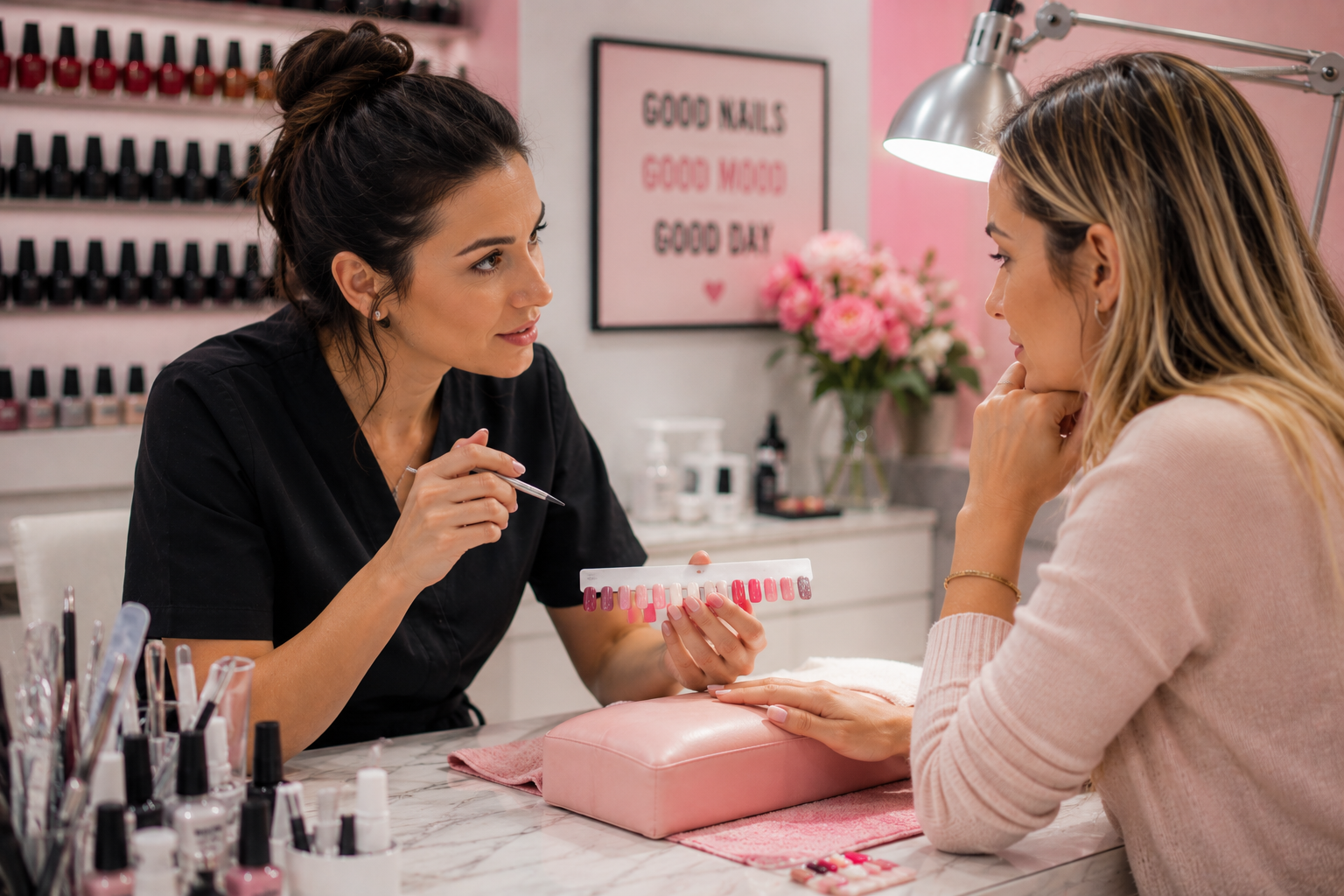
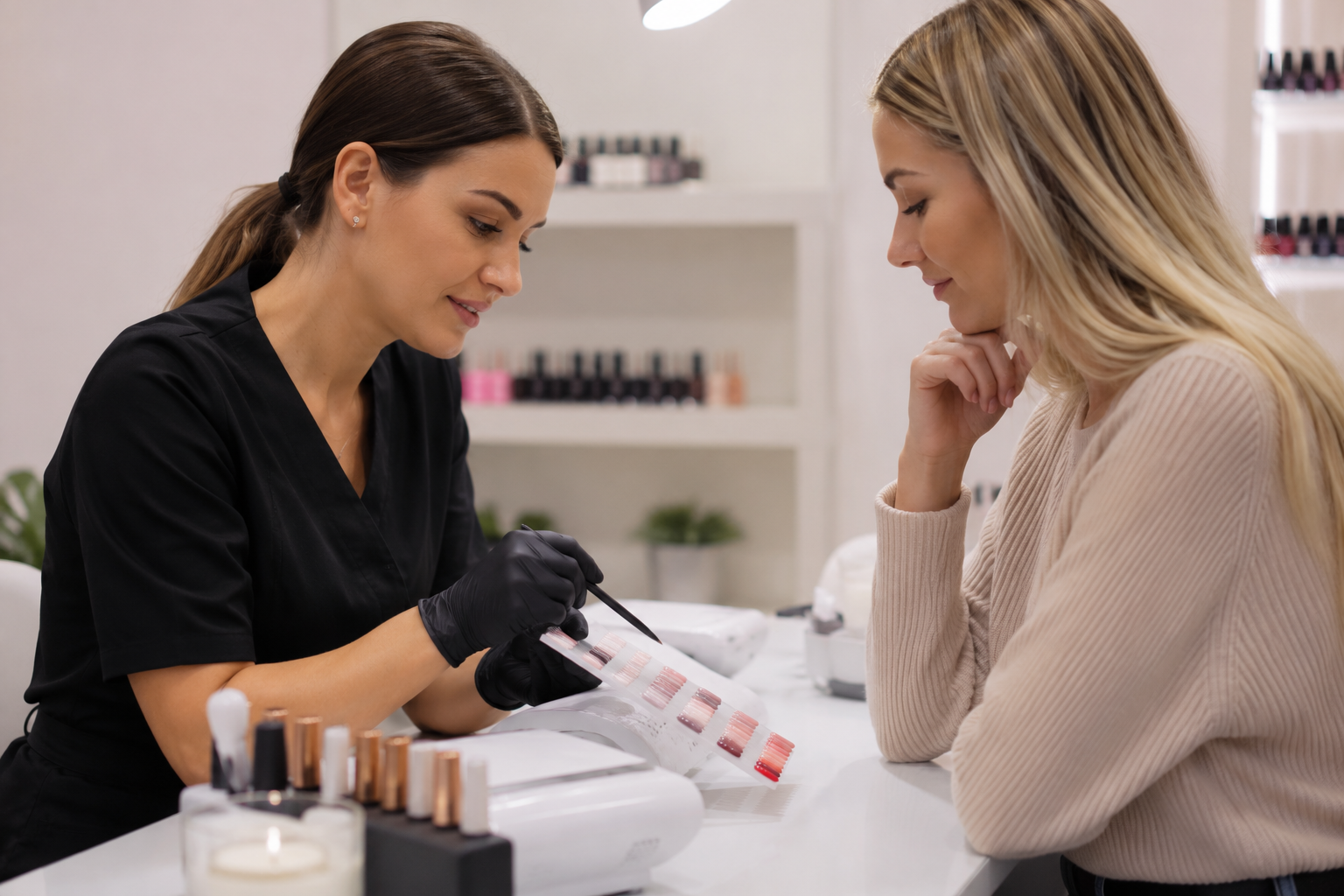
The professional option is to explain why another choice may serve the client better.
This is where many salons make a mistake.
They focus on telling the client she is wrong instead of helping her understand what is possible.
There is a huge difference between saying, "That shape won't suit you," and saying, "I think another shape will make your hands look even more elegant and will also last much better."
The first sounds like criticism.
The second sounds like expertise.
Clients are usually happy to accept advice when they understand that it is given for their benefit rather than for the technician's convenience.
The same applies when discussing nail health.
Avoid dramatic comments like, "Your nails are in terrible condition."
Instead, explain what you see and what can be improved.
"Your nails are a little weaker than last time, so I'd recommend keeping a little more length today. That will help them grow stronger over the next few weeks."
The client leaves feeling supported instead of embarrassed.
Another important rule is never to win an argument.
Sometimes a client insists on something you would not personally recommend. Explain your concerns calmly and professionally. If the request is safe, respect her decision. If it is unsafe or likely to damage the natural nail, politely explain why you cannot perform the service.
A serious salon has standards.
Those standards should never disappear simply because saying "yes" feels easier.
Weak salons often avoid difficult conversations because they fear losing the booking.
Ironically, they often lose the client later when the results fail to meet expectations.
Professional advice protects both the client and the salon.
"Clients may forget the exact words you used. They rarely forget whether you made them feel respected."
The best technicians never speak down to people.
They educate without sounding superior.
They recommend without sounding controlling.
They guide without making clients feel uncomfortable.
That is what real professionalism looks like.
Did You Know?
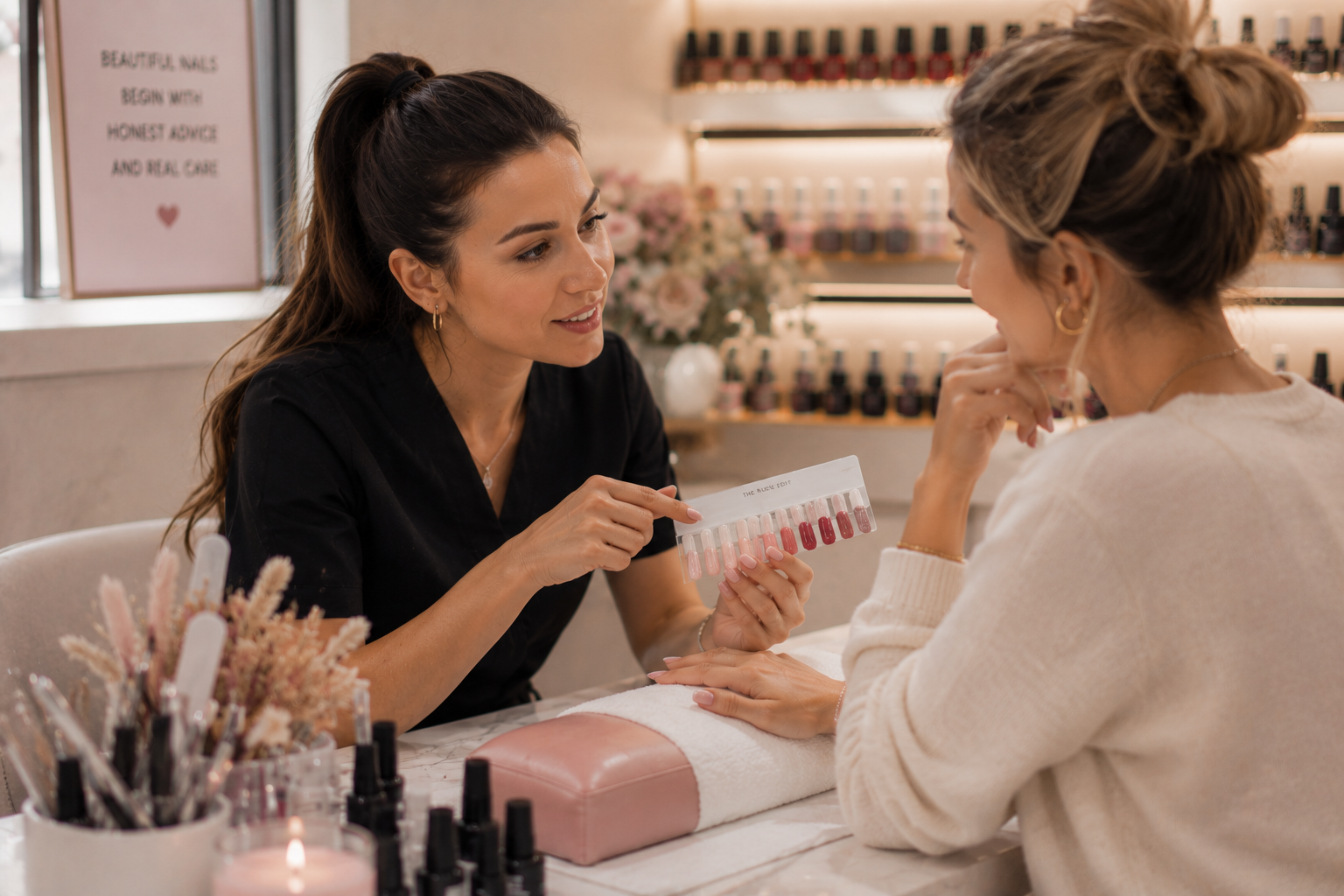
Customer experience studies consistently show that people are far more willing to accept advice when they believe it is personalised and genuinely intended to help them. Clients value expertise, but they value respect even more. Combining both is one of the quickest ways to build long-term loyalty.
The colour, the shape, and the design all matter. But the way you explain your advice matters just as much. A client who feels respected will often trust your recommendations again and again. That is how serious salons build lasting relationships, not just beautiful manicures.